

Ever wondered if training your pet could be enjoyable instead of a chore? Positive pet training uses rewards instead of punishments. Treats, kind words, and fun cues help guide your furry friend toward good behavior.
This gentle method builds trust between you and your pet. Each time your buddy gets a treat, it’s like sharing a high-five that says, “Good job!” Imagine the soft clink of the treat jar or the excited wag when a treat is given. These moments create happiness and lasting bonds.
What is Positive Pet Training: Happy Pet Growth
Positive pet training is a friendly way to teach our pets using rewards instead of punishment. It’s all about using treats, kind words, hand signals, clickers, or toys to encourage the behaviors we love. Imagine your dog sitting happily as soon as it hears the cue because it knows a tasty treat is on the way. That’s the heart of positive training.
This method builds on simple ideas from psychology like classical conditioning (learning by linking things together) and operant conditioning (learning from what happens after an action). These ideas help pets learn from the good choices they make. When you use these science-backed techniques, you’re really helping your pet shine by encouraging its natural talents.
Each reward – whether a small piece of chicken or a warm word of praise – works like a little high-five that says, "Good job!" Picture yourself with a treat bag full of healthy bites, ready to hand one out every time your pet follows a command like "sit" or "look at me." This approach not only gets them to repeat the good behavior but also strengthens the trust between you and your furry friend.
Many professional dog trainers love this method because it makes learning fun and stress-free. Instead of a training session full of tension, every moment becomes a chance to celebrate the little wins – like the gentle rustle of a treat bag or the bouncing wag of a tail after a success.
Key Principles of Positive Pet Training

Positive pet training is all about building a kind, trusting relationship with your pet. It stands on four simple ideas that can help you teach your furry friend gently and clearly. First, try to see things from your pet's side. Imagine your cat choosing a sunny spot near the window instead of its bed, it’s just looking for a cozy place, not causing trouble.
Next, tune in to what your pet really needs. When your dog perks up at the sound of your voice, it’s showing you it loves feeling connected. Knowing what makes your pet happy makes every little treat and pat feel extra special.
Then, use friendly training methods that work. A kind word, a small treat, or even a favorite toy can be just the right reward. For instance, when your puppy sits on command, giving a quick treat is like saying, "Great job!" in a way that your pet understands.
Finally, keep training free from fear or harsh punishments. A calm and supportive approach builds trust over time. Stick to the same simple commands and rewards every time, so your pet knows it’s on the right track.
- Appreciate the pet’s point of view
- Meet and respect the pet’s needs
- Use positive training techniques
- Keep things calm and kind
Positive Pet Training Techniques and Methods
Positive pet training is all about clear signals and steady rewards. Use a clicker to mark a good deed right away. When your pet sits and you click, it's like saying, "Great job, now here's a treat!" This quick cue helps your furry buddy connect the dots fast.
Keep a bag of bite-sized, healthy treats nearby to make training fun. Imagine your pet’s tail wagging happily as you pull out a treat after a cue like "sit" or "look at me." If regular treats don't do the trick, try offering a little chicken or cheese to spark their interest.
Hand signals work as a fast visual reminder. Raised hands combined with a command like "sit" gently tell your pet a reward is coming soon. This works best when you stick to a steady reward plan.
At first, reward every good behavior you see. Then, slowly cut back until treats come only sometimes. This gradual change keeps your pet attentive without making them too dependent on snacks.
This method skips all forms of punishment. Instead, you celebrate each win, building trust and turning training into a relaxed, happy time for both of you.
Advantages of Positive Pet Training for Behavior and Welfare
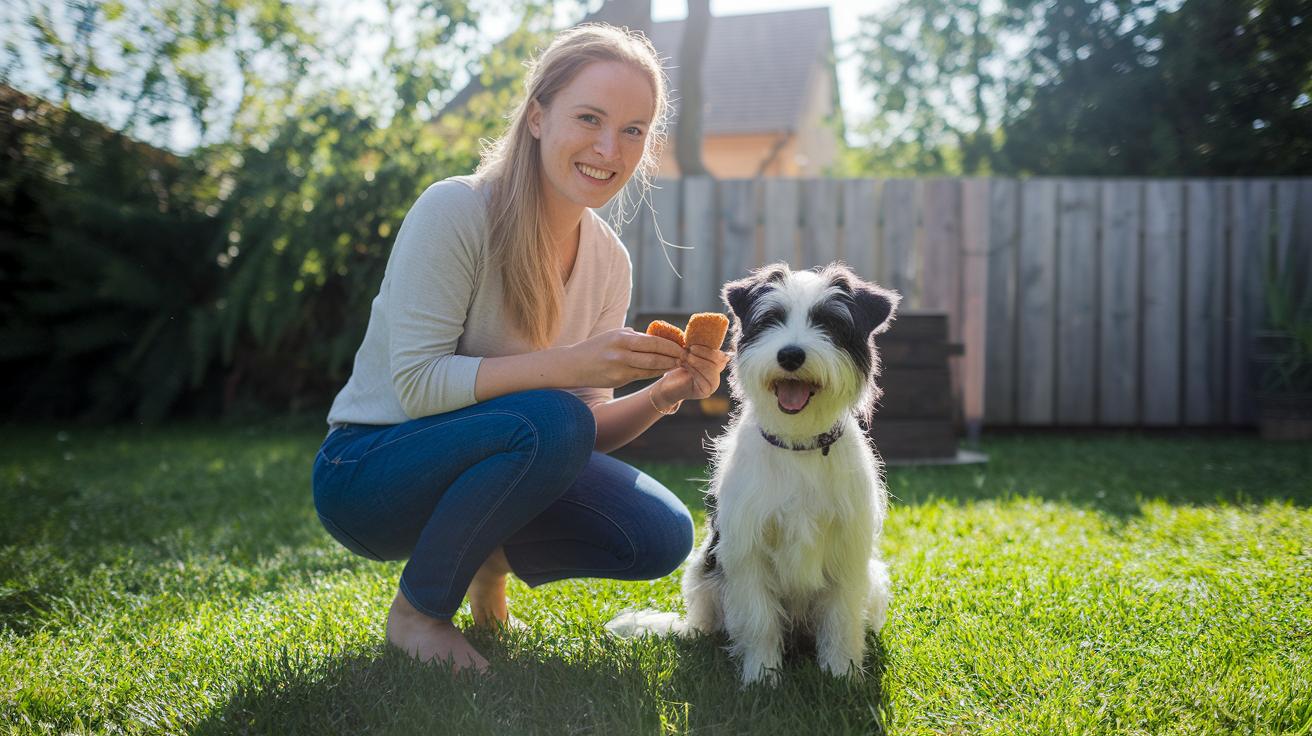
Positive pet training helps your furry friend build good habits that last. When you use rewards, your pet learns faster, bounces back from tough moments, and stays calm even when things get a bit new or exciting.
For example, imagine your dog greeting an unexpected visitor with steady calm instead of getting worked up. Picture your pet staying inquisitive rather than scared when something unusual happens.
Here are a few more great benefits:
- They learn better impulse control, which comes in handy during playtime with other pets.
- They build lasting confidence, helping them handle everyday surprises on their own.
- They pick up polite social skills that make family time even sweeter.
Each time your pet earns a reward, they’re learning a little more about solving problems and keeping their cool over time.
Positive Pet Training Case Study: Kona's Journey
Kona is a sweet terrier mix who spent 18 long months in shelters before finally finding a forever home. Soon after adoption, her new family signed her up for an obedience class that used only positive rewards. Her owner even carried a little bag of healthy, bite-sized treats to celebrate every cue Kona followed, whether it was "crate," "watch me," "sit," or practicing loose-leash walking.
In class, every time Kona listened, her owner rewarded her right away. That quick treat not only encouraged her to repeat good behavior but also boosted her confidence in no time. Imagine her little eyes lighting up as she takes a cautious step and then looks up eagerly, waiting for a kind word or a gentle pat, it all added up to a powerful moment of progress. Each reward made it clear that every good action was worth celebrating and slowly helped her discover her hidden talents.
Her transformation was truly amazing. With each positive interaction, the bond between Kona and her owner grew stronger. This case shows how gentle, reward-based training can unlock a pet's natural abilities and build trust, with just one treat at a time.
Step-by-Step Reward Strategies in Positive Pet Training
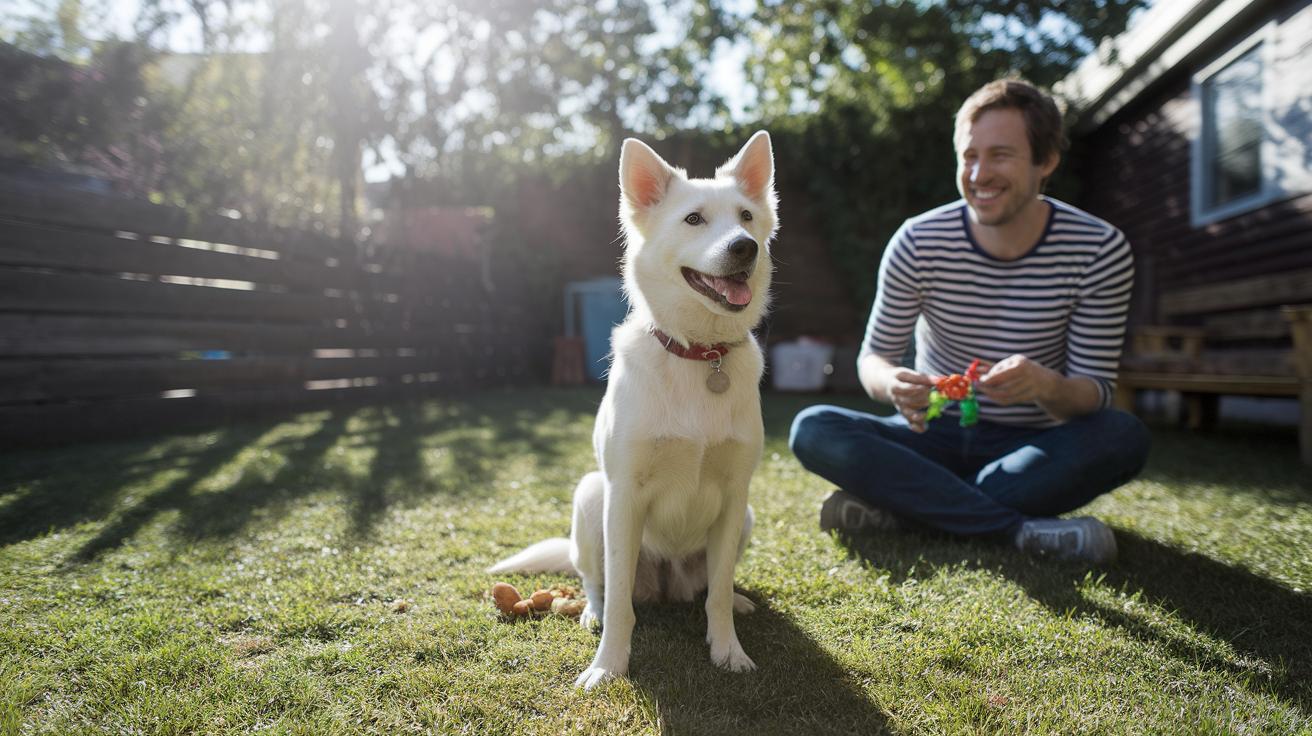
Start by rewarding your furry friend the moment they do what you ask. When your dog sits on command, give a little treat right away, it’s like giving a quick nod of approval.
Mix up your rewards to keep things exciting. You can use a tasty morsel, some cheerful words, or even a short play session. Picture your pet’s eyes lighting up with joy at that unexpected burst of attention.
Quick rewards help your pet see the connection between their action and your praise. Begin with short, fun training sessions and slowly let them last a bit longer as your pet learns more.
At first, treat every correct behavior. As time goes on, gradually switch to giving treats at random times. This keeps your pet motivated even when a treat isn’t handed out every time.
And remember to balance those treats with your pet’s regular meal. If extra snacks are part of training, a little tweak to their meal size can help keep their diet just right.
| Tip | Description |
|---|---|
| Instant Reward | Give a treat immediately after your pet does the trick. |
| Mix It Up | Use a variety of rewards like food, praise, or play. |
| Quick Timing | Reward quickly to build a strong connection between action and reward. |
| Gradual Shift | Start with regular rewards and slowly move to random treats. |
| Balanced Diet | Adjust meal portions if extra treats are given during training. |
Overcoming Challenges in Positive Pet Training
Sometimes our furry friends lean too much on treats when learning new tricks. Instead of using only food as a reward, try adding a simple hand sign or a friendly change in your voice. For example, if your dog perks up when you give a light tap on the food bowl, follow that sound with a short burst of play. This extra playtime creates a unique signal that goes beyond just treats.
Often, our pets crave your attention as much as they do a tasty snack. You might see this in a little ear lift or a focused stare. When you notice these natural hints, adjust your training cue to match. By doing so, you tap into your pet’s inner drive and build a lasting bond that feels both fun and real.
Final Words
In the action, we explored how positive pet training empowers pets with reward-based techniques. We broke down what is positive pet training by showing its benefits, real-life success stories, and step-by-step reward strategies. Each section shared practical tips for building trust, improving behavior, and overcoming common challenges using gentle methods. Positive reinforcement not only enhances learning but also strengthens the bond between you and your pet. Keep these insights in mind as you embark on joyful, stress-free training sessions with your furry friend.
FAQ
What is positive pet training for dogs?
The positive pet training for dogs means rewarding good behavior with treats, praise, and play instead of punishing mistakes. This approach builds trust and helps pets learn happily.
What is positive pet training at home?
The positive pet training at home means using kind words, tasty treats, and fun play during daily routines. It creates a calm learning space where pets feel secure and eager to learn.
What is positive pet training for puppies?
The positive pet training for puppies means teaching little dogs through rewards like praise and snacks. This gentle method helps them learn commands easily while building confidence and a strong bond with you.
Dog training positive reinforcement vs correction
The dog training positive reinforcement vs correction compares using rewards for good behavior against using corrections for mistakes. Reward-based methods invite trust and a willingness to learn without fear.
Negative reinforcement dog training
The negative reinforcement dog training means removing an unpleasant experience to encourage a good behavior. Although it differs from punishment, it’s less common because it may confuse your pet.
Positive reinforcement dog training near me
The positive reinforcement dog training near me involves finding local trainers who use rewards like treats and encouraging words. This local approach helps build a positive, trusting relationship between you and your pet.
Positive reinforcement dog training psychology
The positive reinforcement dog training psychology explains that rewarding desired behavior strengthens the chance of that behavior repeating. This reward-based approach is based on science and builds good habits naturally.
Operant conditioning dog training examples
The operant conditioning dog training examples include offering a treat when a dog sits or using a clicker to mark correct behavior. These immediate rewards help dogs understand and repeat good actions.
What is an example of positive dog training?
The positive dog training example shows a dog hearing the “sit” command and then getting a treat and praise. This method reinforces the behavior in a friendly, encouraging way.
What is positive and negative dog training?
The positive and negative dog training contrasts using pleasant rewards for desired actions versus removing something unpleasant after a mistake. Positive training focuses on reinforcing good behavior, while negative training focuses on taking something away.
Does Cesar Millan use positive reinforcement?
The positive reinforcement dog training practices differ from Cesar Millan’s approach. While Millan sometimes uses calm energy and posture, his methods often rely on establishing control rather than solely offering rewards.
What is positive dog training called?
The positive dog training is also called reward-based or humane training. This method emphasizes treats, praise, and play to encourage learning rather than using fear or punishment.